Showing posts with label Now We're in the Air. Show all posts

Wednesday, October 22, 2025

Now We're in the Air, starring Louise Brooks, was released on this day in 1927

Now We're in the Air, starring Louise Brooks, was released on this day in 1927. The film, once thought lost, is a comedy about two fliers (a pair of “aero-nuts” called “looney Lindberghs”) who wander on to a World War I battle field near the front lines. The film was one of a number of aviation-themed stories shot in 1927 (following Lindbergh’s historic solo flight across the Atlantic), as well as one in a popular series of “service comedies” pairing Wallace Beery and Raymond Hatton. Louise Brooks plays the unusual role of twin sisters, one raised French and one raised German, named Griselle & Grisette, who are the love interest of the two fliers.

More about the film can be found on the Louise Brooks Society website filmography page.

Arguably, Now We’re in the Air was the most popular American silent in which Brooks appeared. Generally liked by the critics, the film did big box office where ever it showed. In New York City, it enjoyed an extended run, as it did in San Francisco, where it  proved to be one of the biggest hits of the year. At a time when most new releases played only one week, Now We’re in the Air ran for more than a month in San Francisco, where it was extended due to robust ticket sales. In Boston, it also did well, opening simultaneously in five theaters in the area. The Boston Evening Transcript noted, “most of the audience at the Washington Street Olympia this week were so moved by mirth that they were close to tears. Presumably the experience has been the same at the Scollay Square Olympia, the Fenway, the Capitol in Allston and the Central Square in Cambridge.” Newspapers in other large cities like Atlanta, Georgia and St. Louis, Missouri reported a similar reception.

The New Orleans Item noted, “The added feature of Now We’re in the Air is the presence of Louise Brooks as the heroine. One of the cleverest of the new stars, she has immense ability to appear ‘dumb’ but like those early Nineteenth Century actresses, commended by Chas. Lamb, she makes the spectators realize that she is only playing at being dumb.” Radie Harris of the New York Morning Telegraph wrote, “Louise Brooks is seen as the feminine lead. She essays the role of twins. Which, if you know Louise, is mighty satisfactory. She is decorative enough to admire once, but when you are allowed the privilege of seeing her double, the effect is devastating.” The Boston Post added, “You see there are pretty twin sisters, Grisette and Griselle, both played by the fetching Louise Brooks, who marry Wally and Ray, who cannot tell their wives apart except by their dogs, one a poodle, one a dachshund.”

The dual role played by Brooks made the film for many critics. Curran D. Swint of the San Francisco News stated, “Both the hulking and ungainly Beery and the cocky little Hatton give goofingly good accounts of themselves. Then there is Louise Brooks. She’s the girl — or the girls — in the case, for Louise is twins in the story, and about this fact much of the comedy is woven.” Across town, A. F. Gillaspey of the San Francisco Bulletin added, “Louise Brooks is the leading woman of this picture. She appears as the twin sisters. This results in some remarkable and very interesting double exposures.”

Mae Tinee, the Chicago Tribune critic who seemed to always champion Brooks, put it this way, “Louise Brooks as twins, is — are — a beautiful foil for the stars and if you think she doesn’t marry both of them before the picture ends, why, cogitate again, my darlings.”


In America’s non-English language newspapers and magazines, Now We’re in the Air was generally advertised under its American title. However, in the Spanish-language press of the time, including the New York City-based Cine-Mundial, as well as the Paramount Spanish-language house organ Mensajero Paramount, the film was promoted under the title Reclutas por los Aires. In Portuguese-language newspapers in the United States, the film was advertised under the title Agora Estamos no Ar.

Under its American title, Now We’re in the Air, documented screenings of the film took place in Australia, British Malaysia (Singapore), Canada, China, India, Ireland, Jamaica, New Zealand, South Africa, and the British Isles (England, Isle of Man, Northern Ireland, and Scotland). Elsewhere, this motion picture was known to have been shown under other-language titles including Deux Braves Poltrons (Algeria); Dos tiburones en el aire (Argentina); Riff und Raff als Luftschiffer (Austria); Nous sommes dans les air (Belgium); Dois aguias no ar (Brazil); Reclutas por los Aires (Chile); Ted my jsme ve vzduchu and Rif a Raf, Piloti (Czechoslovakia) and Riff a Raff strelci (Slovakia); To muntre Spioner (Denmark); Nüüd, meie oleme õhus and Riffi ja Raffi õiged nimed (Estonia); Sankareita Ilmassa and Hjaltar i luften (Finland); Deux Braves Poltrons (France); Riff und Raff als Luftschiffer (Germany); O Riff kai o Raff aeroporoi (Greece); Megfogtam a kemét! or Riff és Raff (Hungary); Katu Njosnararnir (Iceland); Nou Vliegen We (Dutch East Indies / Indonesia); Aviatori per forza and Aviatori … per forza and Ed eccoci aviatori (Italy); Yagi and Kita in the Air and 弥次喜多空中の巻 (Japan); Reclutas por los aires (Mexico); Hoerawe vliegen and Hoera! We Vliegen (Netherlands); Luftens Spioner (Norway); Riff i Raff jako Lotnicy (Poland); Recrutas Aviadores (Portugal); Riff es Raffal a foszerepekben (Romania); Reclutas por los Aires (Spain); Hjältar i luften (Sweden); Deux Braves Poltrons (Switzerland).

SOME THINGS ABOUT THE FILM YOU MAY NOT KNOW:

— Early on, William Wellman, James Cruze and even Mauritz Stiller were announced as the director for Now We’re in the Air. Among cast members who were announced but did not appear in the film were Ford Sterling and Zasu Pitts. An outline (by Tom J. Geraghty) and a treatment (by John F. Goodrich) for the film were completed as early as February 2, 1927.

— Frank R. Strayer (1891 – 1964) who was assigned as director, was an actor, film writer, and producer. He was active from the mid-1920s until the early 1950s. Strayer is credited with having directed 86 films, including 13 movies in the series based on the Blondie and Dagwood comic strip.

— Now We’re in the Air cinematographer Harry Perry also worked on two other notable aviation pictures, Wings (1927) and Hell’s Angels (1930). He was nominated for an Academy Award at the 3rd Academy Awards for his work on the latter.

— Fifteen airplanes were hired for the making of the film, including a 76-foot Martin bomber which was deliberately wrecked for one of the film’s “big thrill scenes.”

— Though a silent, Now We’re in the Air continued to be shown into the early sound era. In January, 1930 it was screened in Fairbanks, Alaska and in December, 1931 it was screened in the Darwin in Northern Territory, Australia.

— The first ever book on the film, Now We're in the Air: A Companion to the Once Lost Film, was published by the Louise Brooks Society in 2017. The book is authored by LBS Director Thomas Gladysz, and features a foreword by film preservationist Robert Byrne.  (Purchase on amazon.)

 
More about Now We're in the Air can be found on the newly revamped Louise Brooks Society website on its Now We're in the Air (filmography page). 

THE LEGAL STUFF: The Louise Brooks Society™ blog is authored by Thomas Gladysz, Director of the Louise Brooks Society  (www.pandorasbox.com). Original content copyright © 2025. Further unauthorized use prohibited. As an Amazon Associate, I earn from qualifying purchases.  

Tuesday, October 22, 2024

Now We're in the Air, starring Louise Brooks, was released on this day in 1927

Now We're in the Air, starring Louise Brooks, was released on this day in 1927. The film, once thought lost, is a comedy about two fliers (a pair of “aero-nuts” called “looney Lindberghs”) who wander on to a World War I battle field near the front lines. The film was one of a number of aviation-themed stories shot in 1927 (following Lindbergh’s historic solo flight across the Atlantic), as well as one in a popular series of “service comedies” pairing Wallace Beery and Raymond Hatton. Louise Brooks plays the unusual role of twin sisters, one raised French and one raised German, named Griselle & Grisette, who are the love interest of the two fliers.

More about the film can be found on the Louise Brooks Society website filmography page.

Arguably, Now We’re in the Air was the most popular American silent in which Brooks appeared. Generally liked by the critics, the film did big box office where ever it showed. In New York City, it enjoyed an extended run, as it did in San Francisco, where it  proved to be one of the biggest hits of the year. At a time when most new releases played only one week, Now We’re in the Air ran for more than a month in San Francisco, where it was extended due to robust ticket sales. In Boston, it also did well, opening simultaneously in five theaters in the area. The Boston Evening Transcript noted, “most of the audience at the Washington Street Olympia this week were so moved by mirth that they were close to tears. Presumably the experience has been the same at the Scollay Square Olympia, the Fenway, the Capitol in Allston and the Central Square in Cambridge.” Newspapers in other large cities like Atlanta, Georgia and St. Louis, Missouri reported a similar reception.

The New Orleans Item noted, “The added feature of Now We’re in the Air is the presence of Louise Brooks as the heroine. One of the cleverest of the new stars, she has immense ability to appear ‘dumb’ but like those early Nineteenth Century actresses, commended by Chas. Lamb, she makes the spectators realize that she is only playing at being dumb.” Radie Harris of the New York Morning Telegraph wrote, “Louise Brooks is seen as the feminine lead. She essays the role of twins. Which, if you know Louise, is mighty satisfactory. She is decorative enough to admire once, but when you are allowed the privilege of seeing her double, the effect is devastating.” The Boston Post added, “You see there are pretty twin sisters, Grisette and Griselle, both played by the fetching Louise Brooks, who marry Wally and Ray, who cannot tell their wives apart except by their dogs, one a poodle, one a dachshund.”

The dual role played by Brooks made the film for many critics. Curran D. Swint of the San Francisco News stated, “Both the hulking and ungainly Beery and the cocky little Hatton give goofingly good accounts of themselves. Then there is Louise Brooks. She’s the girl — or the girls — in the case, for Louise is twins in the story, and about this fact much of the comedy is woven.” Across town, A. F. Gillaspey of the San Francisco Bulletin added, “Louise Brooks is the leading woman of this picture. She appears as the twin sisters. This results in some remarkable and very interesting double exposures.”

Mae Tinee, the Chicago Tribune critic who seemed to always champion Brooks, put it this way, “Louise Brooks as twins, is — are — a beautiful foil for the stars and if you think she doesn’t marry both of them before the picture ends, why, cogitate again, my darlings.”


In America’s non-English language newspapers and magazines, Now We’re in the Air was generally advertised under its American title. However, in the Spanish-language press of the time, including the New York City-based Cine-Mundial, as well as the Paramount Spanish-language house organ Mensajero Paramount, the film was promoted under the title Reclutas por los Aires. In Portuguese-language newspapers in the United States, the film was advertised under the title Agora Estamos no Ar.

Under its American title, Now We’re in the Air, documented screenings of the film took place in Australia, British Malaysia (Singapore), Canada, China, India, Ireland, Jamaica, New Zealand, South Africa, and the British Isles (England, Isle of Man, Northern Ireland, and Scotland). Elsewhere, this motion picture was known to have been shown under other-language titles including Deux Braves Poltrons (Algeria); Dos tiburones en el aire (Argentina); Riff und Raff als Luftschiffer (Austria); Nous sommes dans les air (Belgium); Dois aguias no ar (Brazil); Reclutas por los Aires (Chile); Ted my jsme ve vzduchu and Rif a Raf, Piloti (Czechoslovakia) and Riff a Raff strelci (Slovakia); To muntre Spioner (Denmark); Nüüd, meie oleme õhus and Riffi ja Raffi õiged nimed (Estonia); Sankareita Ilmassa and Hjaltar i luften (Finland); Deux Braves Poltrons (France); Riff und Raff als Luftschiffer (Germany); O Riff kai o Raff aeroporoi (Greece); Megfogtam a kemét! or Riff és Raff (Hungary); Katu Njosnararnir (Iceland); Nou Vliegen We (Dutch East Indies / Indonesia); Aviatori per forza and Aviatori … per forza and Ed eccoci aviatori (Italy); Yagi and Kita in the Air and 弥次喜多空中の巻 (Japan); Reclutas por los aires (Mexico); Hoerawe vliegen and Hoera! We Vliegen (Netherlands); Luftens Spioner (Norway); Riff i Raff jako Lotnicy (Poland); Recrutas Aviadores (Portugal); Riff es Raffal a foszerepekben (Romania); Reclutas por los Aires (Spain); Hjältar i luften (Sweden); Deux Braves Poltrons (Switzerland).

SOME THINGS ABOUT THE FILM YOU MAY NOT KNOW:

— Early on, William Wellman, James Cruze and even Mauritz Stiller were announced as the director for Now We’re in the Air. Among cast members who were announced but did not appear in the film were Ford Sterling and Zasu Pitts. An outline (by Tom J. Geraghty) and a treatment (by John F. Goodrich) for the film were completed as early as February 2, 1927.

— Frank R. Strayer (1891 – 1964) who was assigned as director, was an actor, film writer, and producer. He was active from the mid-1920s until the early 1950s. Strayer is credited with having directed 86 films, including 13 movies in the series based on the Blondie and Dagwood comic strip.

— Now We’re in the Air cinematographer Harry Perry also worked on two other notable aviation pictures, Wings (1927) and Hell’s Angels (1930). He was nominated for an Academy Award at the 3rd Academy Awards for his work on the latter.

— Fifteen airplanes were hired for the making of the film, including a 76-foot Martin bomber which was deliberately wrecked for one of the film’s “big thrill scenes.”

— Though a silent, Now We’re in the Air continued to be shown into the early sound era. In January, 1930 it was screened in Fairbanks, Alaska and in December, 1931 it was screened in the Darwin in Northern Territory, Australia.

— The first ever book on the film, Now We're in the Air: A Companion to the Once Lost Film, was published by the Louise Brooks Society in 2017. The book is authored by LBS Director Thomas Gladysz, and features a foreword by film preservationist Robert Byrne.  (Purchase on amazon.)


More about Now We're in the Air can be found on the newly revamped Louise Brooks Society website on its Now We're in the Air (filmography page).

THE LEGAL STUFF: The Louise Brooks Society™ blog is authored by Thomas Gladysz, Director of the Louise Brooks Society  (www.pandorasbox.com). Original contents copyright © 2024. Further unauthorized use prohibited. As an Amazon Associate, I earn from qualifying purchases.

Tuesday, December 14, 2021

Two more letters from Louise Brooks

Following the last couple of blog posts discussing letters from Louise Brooks, Philip Vorwald sent me scans of two letters which he owns and asked that I share them. Like the filmography in the form of a letter to Hollywood theater owner John Hampton, the second of the two letters posted here also discuss the actress' films.

If one didn't know better, it might be thought that Brooks had little if any interest in her own career. She quit Hollywood early on, and often declared that she never bothered to watch her own films. But, as these and the earlier posted letters show, she was a keen observer and knew most all of the details (the actors, the personal behind the camera, who visited the set, etc....) regarding her films.

This first brief note is dated March 10, 1967.  The second longer letter is dated June 13, 1967. Both are typed and signed in crayon, as was Brooks' usually manner of correspondence.


A few observations: with such attention to detail, it is evident that Brooks was keen on accurately documenting her own career, whether it be regarding correct cast credits, acquiring stills and writing articles, or in finding out who might still have prints of her surviving films. Louise Brooks was 50 years old at this point. That is not old by today's "standards," but it was then considered a bit older than it is now. At this point in one's life (I've been there), one does start to consider legacy - what one will leave behind. With one's accomplishments largely in the past, one strives to make sure that they are at least accurately recorded, if not recognized. 

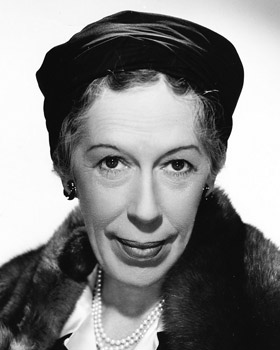
It is interesting that Brooks was aware of Edna Mae Oliver's minor role in The American Venus (1926). Brooks herself had only a small role. (It was her second film appearance, following The Street of Forgotten Men, but her first screen credit.) Edna Mae Oliver was a popular character actor in the 1930s, and if your have ever seen A Tale of Two Cities (1935), starring Ronald Colman, you won't forget her. 


It is also interesting that Louise Brooks thought Now We're in the Air "a lot of fun," though she never bothered to see it. It is fun. I wish more of it had survived.

By the way, my book on that film is widely available: One can buy it NEW from Amazon (USA) | Indiebound | Bookshop.org | Powells | Barnes & Noble | Books-a-Million | Larry Edmunds (Hollywood, CA) | George Eastman Museum (Rochester, NY)

Or, buy the English-language edition from Amazon Australia | Brazil | Canada | France | Germany | India | Italy | Japan | Mexico | Netherlands | Poland | Singapore | Spain | Turkey | United Arab Emirates | United Kingdom    The English-language edition is also available from Open Trolley (Indonesia) and MightyApe (New Zealand)

Monday, December 6, 2021

Looking back : the 1927 Louise Brooks film Now We're in the Air

I will never win an Academy Award, but in 2017 I was given the next best thing - a limited edition giphoscope from the San Francisco Silent Film Festival in recognition of my efforts toward the restoration of the once lost Louise Brooks' film, Now We're in the Air (1927). My name is on a plaque on the base of this "analog gif player," and it also appears in the acknowledgments of the restored film. This giphoscope, of which there are only a half-dozen or so featuring the Brooks' film (that's my understanding), was handcrafted in Italy. 


I shot a short video of my giphoscope for the newly updated Louise Brooks Society Instagram account, which I would encourage everyone to check out. You can view my video short below or at https://www.instagram.com/louisebrookssociety/  After posting the brief clip to the Instagram account, I figured I would write something up this blog.


My wife and I had a small hand in helping bring this film back to the screen, and we and the Louise Brooks Society are thanked in the credits which follow the restored fragment. It was an honor to be asked to help work on the project. It was also exciting! I got to see raw footage of the surviving material (then with Czech intertitles), and helped put the fragmentary pieces back into proper order and with correct English-language intertitles. The story of the film and its restoration by Rob Byrne (seen above giving me a giphoscope) is told in a book which I authored in 2017, Now We're in the Air: A Companion to the Once Lost Film.

This book tells the story of the film’s making, its reception, and its discovery by film preservationist Robert Byrne. Also considered is the surprising impact this otherwise little known film had on Brooks’ life and career. The book features two rare fictionalizations of the movie story, more than 75 little seen images, detailed credits, trivia, and a foreword by Byrne. 


The book is widely available: One can buy it NEW from Amazon (USA) | Indiebound | Bookshop.org | Powells | Barnes & Noble | Books-a-Million | Larry Edmunds (Hollywood, CA) | George Eastman Museum (Rochester, NY)

 
Or, buy the English-language edition from Amazon Australia | Brazil | Canada | France | Germany | India | Italy | Japan | Mexico | Netherlands | Poland | Singapore | Spain | Turkey | United Arab Emirates | United Kingdom
 

The English-language edition is also available from Open Trolley (Indonesia) and MightyApe (New Zealand) 


It is a book that every Louise Brooks fan will want to read. It is also a great deal at only $15.00 in paperback. 


Sunday, November 29, 2020

Louise Brooks books for sale - limited time / limited availability

Looking for something good to read? In search of that special gift for the Louise Brooks or silent film fan on your holiday shopping list?

The Louise Brooks Society is pleased to let everyone know that for a limited time (through December 10) each of the following titles are available at a special sale price. And what's more, the LBS will ship the book for free within the United States. Send an order via email to silentfilmbuff AT gmail.com. The LBS accepts major credit cards through its safe and secure PayPal account. Want a special inscription? Send a note along with your order, and we'll be happy to oblige.  


Louise Brooks, the Persistent Star (softcover 1st edition)
by Thomas Gladysz
-- This 296 page book brings together 15 years work by the Director of the Louise Brooks Society. Gathered here are the author's best articles, essays, reviews and blogs about the silent film star and her films: Beggars of Life, Pandora’s Box, and Diary of a Lost Girl are discussed, as are many other little known aspects of Brooks’ legendary career. With dozens of illustrations, many rare.  AUTOGRAPHED by the author.

Sale price $20.00 (includes shipping & handling within the USA)

   ****************************

Beggars of Life: A Companion to the 1928 Film (softcover 1st edition)
by Thomas Gladysz
-- This first ever study of Beggars of Life looks at the film Oscar-winning director William Wellman thought his finest silent movie. With more than 50 little seen images, and a foreword by William Wellman, Jr. A must have addition to your library, and an essential companion to the KinoLorber DVD/Blu-ray. AUTOGRAPHED by the author. 


Regular price $10.00 (includes shipping & handling within the USA)


****************************

Beggars of Life: A Companion to the 1928 Film (softcover 1st edition)
by Thomas Gladysz
-- This first ever study of Beggars of Life looks at the film Oscar-winning director William Wellman thought his finest silent movie. With more than 50 little seen images, and a foreword by William Wellman, Jr. A must have addition to your library, and an essential companion to the KinoLorber DVD/Blu-ray. AUTOGRAPHED by the author AND BY WILLIAM WELLMAN JR. (Limited availability, act now.)

Special price, $75.00 (includes shipping & handling within the USA)
With the Kino DVD of the film, featuring audio commentaries by Thomas Gladysz and William Wellman Jr., only 1 available (not autographed)
OR
With the Kino Blue-ray of the film, featuring audio commentaries by Thomas Gladysz and William Wellman Jr., only 1 available (not autographed)

****************************

Now We're in the Air (softcover 1st edition)
by Thomas Gladysz
-- This companion to the once "lost" 1927 film tells the story of the film’s making, its reception, and its discovery by film preservationist Robert Byrne. With two rare fictionalizations of the movie story, more than 75 little seen images, detailed credits, trivia, and a foreword by Byrne. AUTOGRAPHED by the author. 


Regular price $15.00 (includes shipping & handling within the USA)

****************************

Now We're in the Air (softcover 1st edition)
by Thomas Gladysz
-- This companion to the once "lost" 1927 film tells the story of the film’s making, its reception, and its discovery by film preservationist Robert Byrne. With two rare fictionalizations of the movie story, more than 75 little seen images, detailed credits, trivia, and a foreword by Byrne. AUTOGRAPHED by the author AND BY ROBERT BYRNE. (Limited availability, limited time offer.)


Special price, $30.00 (includes shipping & handling within the USA)
 

Looking for more great reads and more great deals?
Check out our "Related Books for Sale" Page.

Thursday, October 22, 2020

Once Lost Louise Brooks Film Now Online - Watch it NOW

In what is certainly the biggest news since it was found in 2016 (see Huffington Post article), the 23 minute surviving fragment of a once lost Louise Brooks' film, Now We're in the Air, is now online and available for viewing courtesy of the San Francisco Silent Film Festival. 

The film located in Prague by Rob Byrne, president of the Board of Directors of the San Francisco Silent Film Festival. It was restored by the SFSFF and Národní filmový archiv (the Czech National Film Archive). The restored fragment premiered at the San Francisco Silent Film Festival in 2017, and has been shown only a few times around the world since then. It's most recent screening takes place TODAY as part of a major Louise Brooks retrospective at FilmPodium in Zurich, Switzerland. Prior to that, it was shown at the Melbourne Cinémathèque in Melbourne, Australia in 2019.

Now We're in the Air can be seen on the San Francisco Silent Film Festival website  (which features additional information and a program essay) or on the SFSFF's Vimeo page. For this online premiere, the fragment features a musical accompaniment by Stephen Horne. The film is also embedded below.

Now We're in the Air from SF Silent Film Festival on Vimeo.

Now We're in the Air is a farce. And though not a masterpiece, it is still as significant film, not only because of Brooks’ widespread popularity, but because it helps fill a gap in the legendary actress’ body of work. Until now, each of the four films Brooks made in 1927—at the peak of her American career—have been considered lost.

Directed by Frank Strayer, Now We’re in the Air is a World War One comedy starring future Oscar winner Wallace Beery and the once popular character actor Raymond Hatton. The film, released by Paramount, also features Brooks in two supporting roles. The actress plays twins, one raised French, one raised German, who are the love interest of two goofy fliers. The surviving footage of Brooks only includes her in the role of the French twin, a carnival worker dressed in a short, dark tutu. 

My wife and I had a small hand in the preservation of the film, having uncovered the film's continuity as well as other related documents which helped piece the surviving fragments back together in the right order with correct tinting and correct English-language subtitles. Our efforts, along with those of Robert Byrne and others are detailed in my 2017 book, Now We're in the Air: A companion to the once "lost" film. This 130 page, illustrated book tells the story of the film’s making, its reception, and its discovery by film preservationist Robert Byrne. Also considered is the surprising impact this otherwise little known film has had on Brooks’ life and career. With two rare fictionalizations of the movie story, more than 75 little seen images, detailed credits, trivia, and a foreword by Byrne. It is, in my opinion, essential reading for any fan of Louise Brooks. And at a mere $15.00, a bargain as well.


Thursday, November 28, 2019

Louise Brooks Society - Black Friday #silentfilm specials

Looking for something good to read? In search of that special gift for the Louise Brooks or silent film fan on your holiday shopping list?

The Louise Brooks Society is pleased to let everyone know that for a limited time (Thanksgiving Day, November 28 through Cyber Monday, December 2, 2019) each of the following titles are available at a special discounted price. And what's more, the LBS will ship the book for free within the United States. Send an order via email to silentfilmbuff AT gmail.com. The LBS accepts major credit cards through it's safe and secure PayPal account. Want a special inscription? Send a note along with your order, and we'll be happy to oblige.

Louise Brooks, the Persistent Star (softcover 1st edition)
by Thomas Gladysz
-- This new 296 page book brings together 15 years work by the Director of the Louise Brooks Society. Gathered here are the author's best articles, essays, reviews and blogs about the silent film star and her films: Beggars of Life, Pandora’s Box, and Diary of a Lost Girl are discussed, as are many other little known aspects of Brooks’ legendary career. With dozens of illustrations, many rare.  AUTOGRAPHED by the author.


Regular price $22.50 // now just $19.00 (includes shipping & handling within the USA)

   ****************************

Beggars of Life: A Companion to the 1928 Film (softcover 1st edition)
by Thomas Gladysz
-- This first ever study of Beggars of Life looks at the film Oscar-winning director William Wellman thought his finest silent movie. With more than 50 little seen images, and a foreword by William Wellman, Jr. A must have addition to your library, and an essential companion to the KinoLorber DVD/Blu-ray. AUTOGRAPHED by the author.


Regular price $13.50 // now just $10.00 (includes shipping & handling within the USA)


****************************

Beggars of Life: A Companion to the 1928 Film (softcover 1st edition)
by Thomas Gladysz
-- This first ever study of Beggars of Life looks at the film Oscar-winning director William Wellman thought his finest silent movie. With more than 50 little seen images, and a foreword by William Wellman, Jr. A must have addition to your library, and an essential companion to the KinoLorber DVD/Blu-ray. AUTOGRAPHED by the author AND BY WILLIAM WELLMAN JR. (Limited availability, limited time offer.)


Special price, $75.00 (includes shipping & handling within the USA)

With the DVD of the film, featuring audio commentaries by Thomas Gladysz and William Wellman Jr., only 1 available $100.00 (includes shipping & handling within the USA)

With the Blue-ray of the film, featuring audio commentaries by Thomas Gladysz and William Wellman Jr., only 1 available $100.00 (includes shipping & handling within the USA)

****************************

Now We're in the Air (softcover 1st edition)
by Thomas Gladysz

This companion to the once "lost" 1927 film tells the story of the film’s making, its reception, and its discovery by film preservationist Robert Byrne. With two rare fictionalizations of the movie story, more than 75 little seen images, detailed credits, trivia, and a foreword by Byrne. AUTOGRAPHED by the author.


Regular price $17.50 // now just  $14.00 (includes shipping & handling within the USA)


****************************

Now We're in the Air (softcover 1st edition)
by Thomas Gladysz

This companion to the once "lost" 1927 film tells the story of the film’s making, its reception, and its discovery by film preservationist Robert Byrne. With two rare fictionalizations of the movie story, more than 75 little seen images, detailed credits, trivia, and a foreword by Byrne. AUTOGRAPHED by the author AND BY ROBERT BYRNE. (Limited availability, limited time offer.)


Special price, $25.00 (includes shipping & handling within the USA)


Looking for more great reads and more great deals?
Check out the "Related Books for Sale" Page.


Monday, October 28, 2019

Louise Brooks in Australia - now and then

A major film retrospective, "Enduring Modernity: The Transcontinental Career of Louise Brooks," is currently taking place in Australia at the Melbourne Cinémathèque. The retrospective, which runs through November 6, features seven of Louise Brooks silent films, including the majority of her iconic performances from the United States and Europe profiling her working under such noted directors as William Wellman, Howard Hawks, and G. W. Pabst. More information, including newly added links to articles, may be found HERE.

Coincidentally, for the last year, I have been working on a two volume book project, Around the World with Louise Brooks, in which the nation of Australia is something of a star! (The first volume looks at Louise Brooks, the actress. The second volume looks at Brooks' 24 films. As of now, I have about 850 pages completed, and hope to have the books done by the end of the year... fingers crossed.)


In a nod to Australia and its ongoing appreciation of the actress... what follows are a couple three highlights from my work in progress. 

Notably, one of the films to be screened at the Australian retrospective is the surviving fragment of Now We're in the Air. The Louise Brooks Society had a hand in the preservation of the film, and no doubt, the Melbourne Cinémathèque screening marks the first time the once popular comedy has been shown in Australia in nearly 90 years. 


The above newspaper advertisement appeared on the front page of April 14, 1932 edition of the Wooroora Producer, a newspaper based in Balaklava, Australia (95 km north of Adelaide) and circulating in nearby Port Wakefield, Bowmans, Long Plains, Avon, Erith, Whitwarta, Mount Templeton, Everard Central, Nantawrra, Hamley Bridge, Mallala Stockyard Creek, Barabba, Alma, Owen, Halbury, Hoyleton and other communities in South Australia. The advertisement documents what may well have been one of the last recorded public screening of Now We’re in the Air anywhere in the world, a 1927 film which today survives only in incomplete form. This ad is unusual in that it is specifically dated, informing locals a couple of days in advance of the small community’s once a week screening – in this instance two five year old silent films. The other film is IT, starring Clara Bow and Antonio Moreno. The venue, the Balaklava Institute, was likely the local town hall. It still stands.


A 1927 Brooks' film which is now considered lost is Rolled Stockings. It too had what is likely its last recorded public screening anywhere in the world in Australia. The otherwise unremarkable newspaper advertisement pictured below documents the occasion, which took place in October 1931. Four years after its American release – and well into the sound era, Brooks’ 1927 “youth picture” was paired with William Wyler’s action adventure film, The Thunder Riders (Universal, 1928). This silent double-bill was shown at a theater in Darwin, Australia known as The Stadium (aka Don Stadium or Don Pictures), an approximately 100-seat open-air sports and entertainment venue largely used during the dry months of the year. Below left is an exterior view, and below right is an interior view.

Image source: Northern Territory Library
Darwin, the former frontier outpost named after the British naturalist, is situated on the Timor Sea and is the capital of the Australia’s Northern Territory. Far from just about everywhere but the closest port to the Dutch East Indies, Darwin was an alternative entry or departure point for entertainment companies coming to or departing from the Australian mainland. Consequently, the Stadium theatre also hosted occasional vaudeville shows, including vaudeville and silent pictures, or vaudeville and boxing. I can't quite tell, but it appears there might be a boxing match going on in the interior view on the right.


And yet another lost 1927 Brooks' film which had what was likely it's last documented public screening in Australia is The City Gone Wild. It too was shown in Darwin in the Don Pictures Stadium theatre. The newspaper advertisement shown below dates from September 1931, four years after its initial American release. And again, well into the sound era! Back in the 1930s, Darwin, Australia was pretty far from everywhere and it was where "old" silent films went at the end of their exhibition life. Where they went from there is anybody's guess....

Wednesday, August 7, 2019

Louise Brooks and Now We're in the Air in Australia

My previous post wrote up the forthcoming Louise Brooks retrospective at the Melbourne Cinémathèque in Melbourne, Australia (October 23 through November 6). Though I won't be able to be there in person, the Louise Brooks Society will be there "in spirit" in the form of the credits which roll following Now We're in the Air (1927).

"Enduring Modernity: The Transcontinental Career of Louise Brooks" features seven Louise Brooks films, including the recently found surviving fragment of Now We're in the Air. The Louise Brooks Society had a hand in the preservation of the 1927 film, and are so credited in the credits of the preserved fragment.

The Melbourne Cinémathèque screening of Now We're in the Air marks the first time the film has been shown in Australia in nearly 90 years. In fact, as my forthcoming book, Around the World with Louise Brooks documents, one of the last known screenings of the film anywhere in the world took place in southern Australia in the small town of Balaklava in 1932 -- five years after its American release and well into the sound era.


This newspaper advertisement appeared on the front page of April 14, 1932 edition of the Wooroora Producer, a newspaper based in Balaklava and circulating through Port Wakefield, Bowmans, Long Plains, Avon, Erith, Whitwarta, Mount Templeton, Everard Central, Nantawrra, Hamley Bridge, Mallala Stockyard Creek, Barabba, Alma, Owen, Halbury, Hoyleton and other nearby communities in South Australia. It documents what is in all likelihood the last recorded screenings of Now We’re in the Air. This ad is unusual in that it is dated April 16th, informing locals two days in advance of this small community’s once-a-week screening – in this instance two five year old silent films.

It is probably not coincidental that both films being advertised were released by Paramount. Distant from just about everywhere, Balaklava was likely at the end of the distribution line. Nevertheless, as far as I know, this April 16th screening represented the debut of the film in this part of the world. [Similarly, the last documented screening of another of Louise Brooks' 1927 films, the now lost The City Gone Wild, took place in Darwin, Australia in September, 1931.]

The venue, the Balaklava Institute, was the local town hall. The building opened in 1881, and still stands. Here is what it looks like today.


In researching Around the World with Louise Brook, I've found that Louise Brooks' films were popular in Australia. They showed all over the country, including the island state of Tasmania, in towns and cities both large and small.

If you want to learn more about Now We're in the Air, I would recommend the only book on the film, my 2017 book Now We're in the Air. This companion to the once "lost" 1927 Louise Brooks' film tells the story of the film’s making, its reception, and its discovery by film preservationist Robert Byrne. Also considered is the surprising impact this otherwise little known film had on Brooks’ life and career. The book also features two rare fictionalizations of the movie story, more than 75 little seen images, detailed credits, trivia, and a foreword by Byrne. The book is available on Amazon in many countries, including Australia.


Monday, August 5, 2019

Enduring Modernity: The Transcontinental Career of Louise Brooks

My recent trip to Berkeley (see previous post) resulted in a little more material for my forthcoming book, Around the World with Louise Brooks. It's a worldly look at the silent film star, and how she was seen in various countries around the world in the 1920s and 1930s. I hope to have it completed by the end of the year.


Something must be in the air, because coincidentally I just learned that the Melbourne Cinémathèque in Melbourne, Australia is putting on a major film retrospective along similar lines. "Enduring Modernity: The Transcontinental Career of Louise Brooks" takes place October 23 through November 6. More information may be found HERE.

According to the Cinémathèque site:
“An actress of brilliance, a luminescent personality, and a beauty unparalleled in film history” is how film historian Kevin Brownlow described Louise Brooks (1906–1985), whose short but iconic career was almost lost to history.

Brooks signed her first contract with Paramount Pictures in 1925, but her ultra-modern style, jet-black bob and inscrutable expression made her an actress out of time. After three years and 14 films, Brooks, fed up with Hollywood, left the US for Germany, where she made two seminal films with G. W. Pabst in 1929 – Pandora’s Box and Diary of a Lost Girl. She subsequently returned to Hollywood but languished in obscurity, quietly retiring in 1938.

All but forgotten for the next two decades, interest in her career was rekindled by the Cinémathèque Française’s “60 Years of Cinema” exhibition in Paris in 1955, which featured a giant portrait of Brooks mounted above its entrance. Asked why he had chosen the relatively obscure Brooks over Greta Garbo or Marlene Dietrich for such prominent placement, exhibition director Henri Langlois exclaimed, “There is no Garbo! There is no Dietrich! There is only Louise Brooks!” Aesthetic tastes had caught up to her onscreen persona, and Brooks was finally recognised as a magnetic screen presence and, in the words of French critic Ado Kyrou, “the only woman who had the ability to transfigure no matter what film into a masterpiece”. Now recognised as an icon of the Jazz Age, Brooks’ intense femininity, flapper style and coyly ambiguous sexuality have made her one of the era’s brightest and most enduring stars.

This season includes the majority of her iconic performances in both Hollywood and Europe and profiles her collaborations with key directors such as Pabst, Wellman and Hawks.
The schedule features seven of Louise Brooks silent films, including the recently found surviving fragment of Now We're in the Air. The Louise Brooks Society had a hand in the preservation of Now We're in the Air, and no doubt, this screening marks the first time the popular comedy has been shown in Australia in nearly 90 years. In fact, as Around the World with Louise Brooks documents, one of the last known screenings of the film anywhere in the world took place in southern Australia in the small town of Balaklava in 1932 -- five years after its American release and well into the sound era. As described on the Melbourne Cinémathèque website, here is the schedule of films.


October 23

6:30pm – PANDORA’S BOX
G. W. Pabst (1929) 136 mins PG


Screen goddess Brooks burns up the screen as the sexually energised and self-destructive Lulu in Pabst’s most celebrated film. A complex reflection on the sexual pathology and social hedonism of Weimar Germany, Pabst and Brooks’ exciting and provocative partnership created one of silent cinema’s most enduring, liberating and strangely moving works, with critics and audiences still waxing lyrical about its smoky sensuality today. David Thomson claimed it as “among the most erotic films ever made” and praised the “vivacious, fatal intimacy” of Brooks’ magnetic performance.

Courtesy of The British Film Institute

8:55pm – THE CANARY MURDER CASE
Malcolm St. Clair (1929) 82 mins Unclassified 15+*


Brooks features as The Canary, an audacious nightclub singer whose penchant for blackmail and two-timing leaves no shortage of suspects after she falls victim to foul play. This tantalising whodunit was originally completed as a silent picture, but Paramount insisted on converting it to a “talkie”. Already ensconced in Berlin, Brooks refused to return to the US to complete any voice work, so her role was dubbed (and partly reshot) by Margaret Livingston (the Woman From the City in Sunrise: A Song of Two Humans). With William Powell, Jean Arthur and Eugene Pallette.

October 30

6:30pm – DIARY OF A LOST GIRL
G. W. Pabst (1929) 113 mins Unclassified 15+*


The second collaboration – after Pandora’s Box – between Brooks and German director Pabst is a frank and revealing look at male chauvinism and bourgeois hypocrisy in Weimar Germany. Based on the controversial bestselling novel by Margarete Böhme and filmed in the social-realist style of the Neue Sachlichkeit (New Objectivity) movement, it was considered pornographic on its release, touching on rape, lesbianism and prostitution. Brooks expressively plays an innocent girl cast adrift in a world of lecherous and predatory men, a victim of circumstance doomed to a life of ill repute.

8:35pm – A GIRL IN EVERY PORT
Howard Hawks (1928) 78 mins Unclassified 15+*


Since last screened by the Melbourne Cinémathèque in 2002, the seismic shifts in societal perceptions of gender representation have made Hawks’ rambunctious late silent perhaps even more fascinating. Brooks’ character has been praised as an embryonic Hawksian woman – strong-willed, independent, sexual – but her depiction as a grasping schemer threatening the purity of the sailors’ masculine bond is as revealing and provocative as it is problematic. This key early Hawks’ film co-stars Victor McLaglen and Robert Armstrong.

Print courtesy of the National Film and Sound Archive.

Preceded by

Now We’re in the Air
Frank R. Strayer (1927) 23 mins (fragment).


Louise Brooks makes a memorable appearance in this newly discovered fragment of a World War I aviation comedy.

35mm print courtesy of the San Francisco Silent Film Festival and the Library of Congress, Washington.

November 6
6:30pm – BEGGARS OF LIFE
William A. Wellman (1928) 100 mins Unclassified 15+*


This gritty study of hobo life on the rails is based on the novelistic memoir of the same name by real-life vagabond Jim Tully. Brooks expert Thomas Gladysz holds that while Wellman’s “artfully photographed, morally dark tale of the down-and-out” gives future Oscar winner Wallace Beery top billing for “an especially vital performance”, it is Brooks who “dominates the screen in what is arguably her best role in her best American film”. With its provocative themes of sexual abuse and murder, the film presents a truly transgressive view of the US just before the Great Depression.

Courtesy of The George Eastman Museum.

8:20pm – PRIX DE BEAUTÉ (MISS EUROPE)
Augusto Genina (1930) 93 mins Unclassified 15+*


Not widely seen for decades after its production, and only available in an incomplete form until recently, Genina’s dynamic movie is notable for being Brooks’ final lead performance. The film blends stark neo-realism and elaborate fantasy in its exploration of a young woman’s rise to fame and her discomfort with the social expectations of the female sex. Cinematographer Rudolph Maté’s extraordinary treatment of light and dark beautifully complements Brooks’ sparkling onscreen presence. Screenplay by René Clair and G. W. Pabst.

Wednesday, November 7, 2018

Frank Buxton Silent Film Festival to feature two Louise Brooks films on November 17

Thomas Gladysz and Frank Buxton
The Frank Buxton Silent Film Festival, a two-day celebration of silent film, is scheduled to show two seldom exhibited Louise Brooks' films, It’s the Old Army Game (1926), and the surviving fragment of Now We’re in the Air (1927). For the latter film, the event marks the film's first screening in the Pacific Northwest in nearly 90 years!

According to it's website, the Bainbridge Island Museum of Art in Bainbridge, Washington is proud to present the debut of the Frank Buxton Silent Film Festival, a two-day cinematic excursion exploring the pleasures, history and lost art of American silent film.

The Festival is a tribute to the late Frank Buxton (1930-2018), a local resident and longtime champion, advocate and appreciator of the arts. Programming for the Festival was curated by Frank's friend and program collaborator John Ellis in partnership with the San Francisco Silent Film Festival. More information HERE.

WEEKEND PROGRAM

FRIDAY, NOVEMBER 16, 2018

- 6:30 pm - Opening Party
Visiting artists, guests and weekend pass holders enjoy a pre-screening reception with food and refreshment in the Museums First Floor Gallery

- 7:30 pm - Alfred Hitchcock's Blackmail (1929)Original score from Erin O'Hara

The Buxton Silent Film festival kicks off with a rare screening of Alfred Hitchcock's silent version of Blackmail, one of his earliest and most atmospheric films. The dark drama is orchestrated by Erin O'Hara, who created the entire score from the point of view of Alice, Anny Ondres character who murders her would be rapist with a bread knife. With an ensemble of electric and acoustic instruments and voices, O'Hara expresses the interior voice of heroine Alice, as she navigates her way through a journey of assault, survival and the murky search for justice. One reviewer said, Her soundtrack is both a signal contribution to Hitchcock's art and a bold rejoinder to it.

SATURDAY, NOVEMBER 17, 2018

- 10 am - Classic Comedy ShortsMusical accompaniment by Miles and Karina (David Miles Keenan and Nova Karina Devonie)
Featured films:
  • One Week (1920) with Buster Keaton
  • The Immigrant (1917) with Charlie Chaplin
  • Battle of the Century (1927) from Laurel & Hardy
- 2:00 pm - Louise Brooks TributeMusical accompaniment by Miles and Karina (David Miles Keenan and Nova Karina Devonie)
Featured films:


- 7:30 pm - The Unknown starring Lon Chaney (1927)
Original Score composed and performed live by Jovino Santos Neto Quarteto
The Unknown is an American silent horror film directed by Tod Browning, a story of yearning, frustration, resentment and betrayal. Lon Chaney stars as carnival knife thrower Alonzo the Armless and Joan Crawford is the scantily clad carnival girl he hopes to marry. The film is brought to life by a live score composed and performed by Jovino Santos Neto Quinteto, a five-piece local jazz ensemble led by Brazilian jazz pianist Jovino Santos Neto. Neto offers a fresh take on the musical conventions of silent film accompaniment. Instead, he mines the deep, dark melancholy conveyed by the actors' facial expressions to create a 50-minute suite that blends sounds, textures and improv from vibraphone, bandoneon, bass, drums, percussion, piano, flute, melodica and electronics. Special thanks to Seattle Theater Group. Join film-goers for a short after-party.


I knew Frank Buxton, and know that he loved silent film, comedy, and Louise Brooks! He was a many of many accomplishments in a remarkable and eclectic career. Read the obits from Variety and the Hollywood Reporter and KitSap Sun. This event, the Frank Buxton Silent Film festival, is fitting tribute. Above is a picture of Frank on stage with Buster Keaton in 1949. Frank had autographed the page in my Keaton book where this picture appeared, and pointed himself out. (Buxton was also the co-author of a classic book on early radio, The Big Broadcast.)

Frank Buxton and I kept in touch over the years, chatting about film books and our favorite stars. Not long before he died, I was able to share with him a copy of my recent book, Now We're in the Air, a Companion to the Once "Lost" Film.

SUPPORT the LOUISE BROOKS SOCIETY via PAYPAL

Powered By Blogger